Multiple choice
Choose the one defensible response after identifying the controlling condition.
ARE 5.0 Project Development and Documentation
ReasonSpan™ connects a focused diagnostic with architect-first theory, realistic exhibits, original case studies, targeted practice, and transfer checks. It is designed for first-time candidates and especially repeat candidates who need evidence before starting another broad review cycle.
A clear pathway after enrollment
One missed question is not treated as a learner profile. ReasonSpan™ looks for repeated observable evidence across accuracy, confidence, timing, exhibit use, answer changes, and changed-condition transfer.
Start with a staged diagnostic that samples all five PDD sections and several evidence modes.
Separate concept gaps from detail-reading, coordination, reference-search, calculation, and execution errors.
Route to Concept Builder, Application Bridge, Coordination Repair, Exam Translation, or Verification Only.
Move from a visual mental model to minimum theory, boundary conditions, responsibility, and a worked exhibit.
Apply the principle to a materially different assembly, plan, calculation, or project record.
Protect strengths, schedule the evidence-supported rebuild, and reserve time for mixed practice and mock forms.
Theory for architectural decisions
PDD candidates need technical judgment, not an engineer's derivation course. Each lesson begins with the architectural decision, builds a visual mental model, introduces only the theory needed to control that decision, and ends with independent transfer.
Original visual evidence
Every assessment exhibit is built for exam-scale legibility, technical validity, clear leaders, consistent symbols, and full-resolution zoom. Learning color supports instruction; exam-neutral views support transfer.
 Open full size
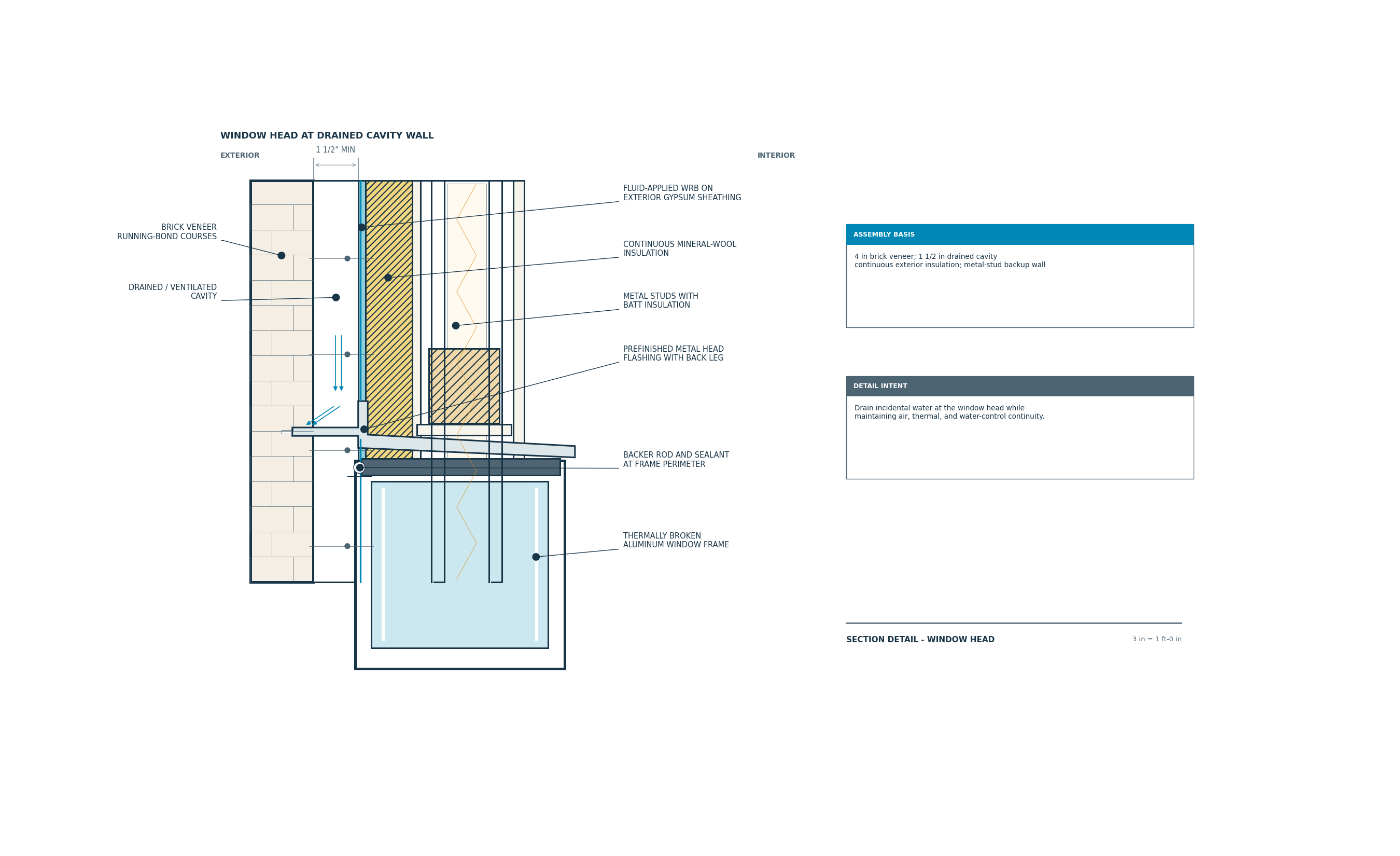
Trace water, air, thermal, and vapor functions separately before choosing a repair or component.
 Open full size
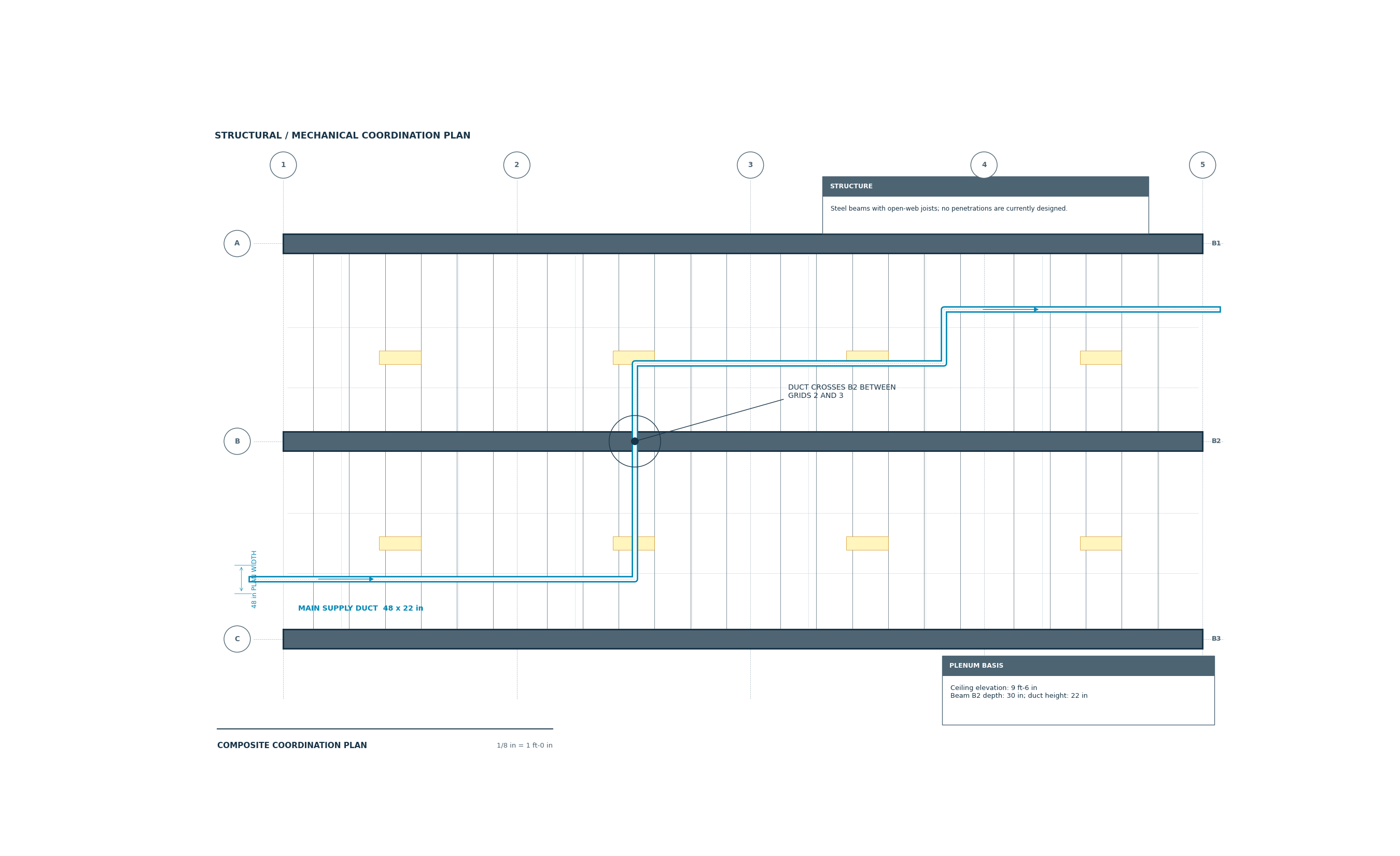
Read the plan, identify the physical conflict, and choose the defensible next coordination action.
 Open full size
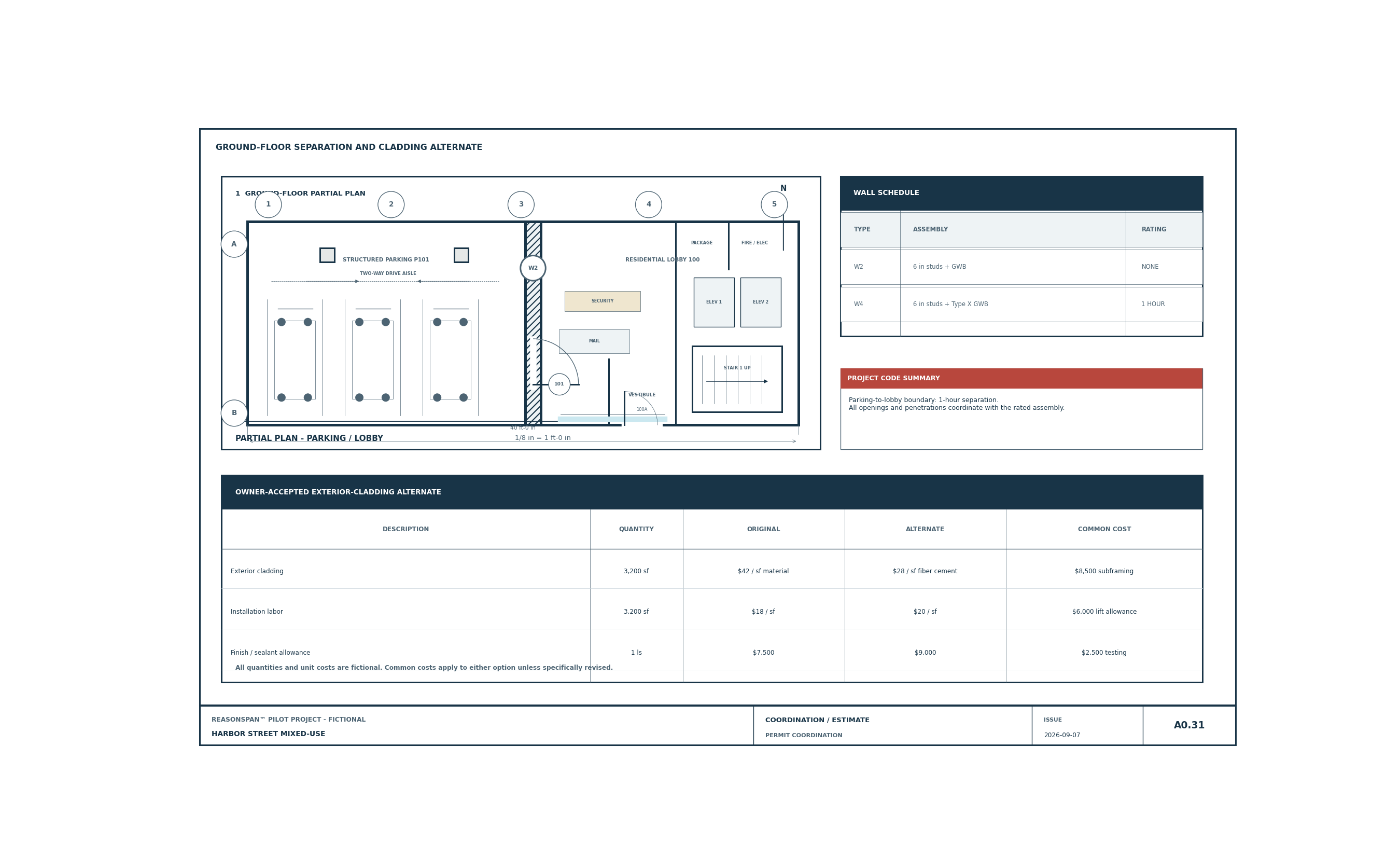
Search across drawings, schedules, notes, and cost records without relying on a single isolated clue.
Exam translation
The current ARE 5.0 uses three item types for standalone and case-study work. ReasonSpan™ pairs each mode with feedback about the governing decision and the observable error pattern.
Choose the one defensible response after identifying the controlling condition.
Determine the exact response count, test each option independently, and submit only the complete set. There is no partial credit.
Translate the requirement into a precise location on a plan, section, detail, schedule, or diagram.
Original project-document case studies
Each case study uses a fictional but realistic project packet with searchable drawings, schedules, project requirements, cost records, consultant information, and issue documentation. Questions require candidates to locate the controlling evidence, reconcile documents, and identify the defensible architectural action.
Life-safety, ceiling, duct, rated-wall, and project-manual coordination.
Occupancy, assemblies, code research, cladding alternates, and cost consequences.
Drawing references, site utilities, building systems, and issue-control records.
Current PDD content structure
Lessons and items are organized by the objective and architectural decision, not by the chapter order of a commercial reference book.
PDD questions and answers
The public page is available for discovery and evaluation. Protected course materials, enrollment, pricing, and payment remain closed until release review is complete.
No. The PDD release candidate is undergoing independent technical, editorial, accessibility, responsive, rights, and learner-calibration review. Payment and checkout are disabled until those release gates are complete.
No. First-time candidates use the diagnostic to establish a baseline and avoid unfocused study. Repeat candidates receive additional emphasis on identifying why earlier preparation did not convert into the desired result, while preserving demonstrated strengths.
No. The program uses original questions, figures, project records, case studies, explanations, and learning sequences. Official and technical references are used to verify concepts and current requirements, not to copy protected questions, prose, tables, figures, or book organization.
The release candidate uses multiple choice, check-all-that-apply, and hotspot items. Check-all-that-apply practice trains exact-count reasoning because every correct response must be selected and there is no partial credit.
Yes. Mock and diagnostic interfaces include a functionally comparable calculator, a persistent multipage notepad with text and drawing tools, item navigation, marking for review, exhibit zoom, and break-lock rehearsal.
No responsible provider can guarantee an exam result. ReasonSpan™ is designed to make the preparation decision more specific, make reasoning errors visible, and verify whether improvement transfers to new work.
Verify the exam at its source
Review the current NCARB PDD division page, the ARE 5.0 Guidelines, and NCARB's free practice exams for the official exam scope, policies, and delivery experience.