Practice with a study path.
Diagnostic, focused lessons, original practice and two full-length timed mocks, with saved answers and progress.
$129 one-time
90 days of access
Review program and access →PE Architectural Engineering preparation
Find your gaps across all four domains, understand the engineering behind each answer, and rehearse reference searches and pacing with two full-length mocks. Try 8 free questions before choosing your program.
Compare online, ebook and print formats →
See the method before you enroll
Prepare for the questions you have not seen before. Understand the principle behind an answer, learn why a tempting alternative fails, and apply the same idea when the conditions change.
All previews are free. No account or payment required.
Led by Navid Gohardani, PhD, MBA, PMP, with a background in civil and architectural engineering, construction management and project delivery. Inspect the original lessons and documented content standards before choosing your program. Read about our teaching approach and content standards.
Original public teaching example · PE Architectural Engineering
A balanced three-phase load draws 75 A at a line-to-line voltage of 208 V and a power factor of 0.80. Which pair correctly gives its apparent power and real power?
27.0 kVA and 21.6 kW
For a balanced three-phase load, use line-to-line voltage with the square-root-of-three factor. Apparent power is approximately 27.0 kVA; real power is apparent power multiplied by the stated 0.80 power factor, approximately 21.6 kW. This is a power calculation, not a complete conductor or protective-device selection.
What to practice next: Keep phase, line-to-line voltage and apparent versus real power separate.
A different balanced three-phase load draws 50 A at 480 V line-to-line with power factor 0.90. Find apparent and real power.
Apparent power is √3 × 480 × 50 / 1,000 ≈ 41.6 kVA. Real power is 41.6 × 0.90 ≈ 37.4 kW. The power factor converts apparent to real power; it is not applied twice.
Teaching demonstration, not a candidate result or pass prediction. These examples are separate from protected assessments.
Try the interactive PE Architectural Engineering preview →One question, visible reasoning
A 30 kVA three-phase transformer is supplied at 480 V. The free sampler asks for its approximate full-load primary line current, using this original system exhibit.
Line current = 30,000 ÷ (√3 × 480) = 36.1 A.
Why 62.5 A fails: Dividing by 480 alone omits the √3 factor for a balanced three-phase load. Another option uses the secondary voltage instead of the primary.
Every option in the eight-question sampler receives this kind of review. The sampler does not predict your exam result.
Try the full free sampler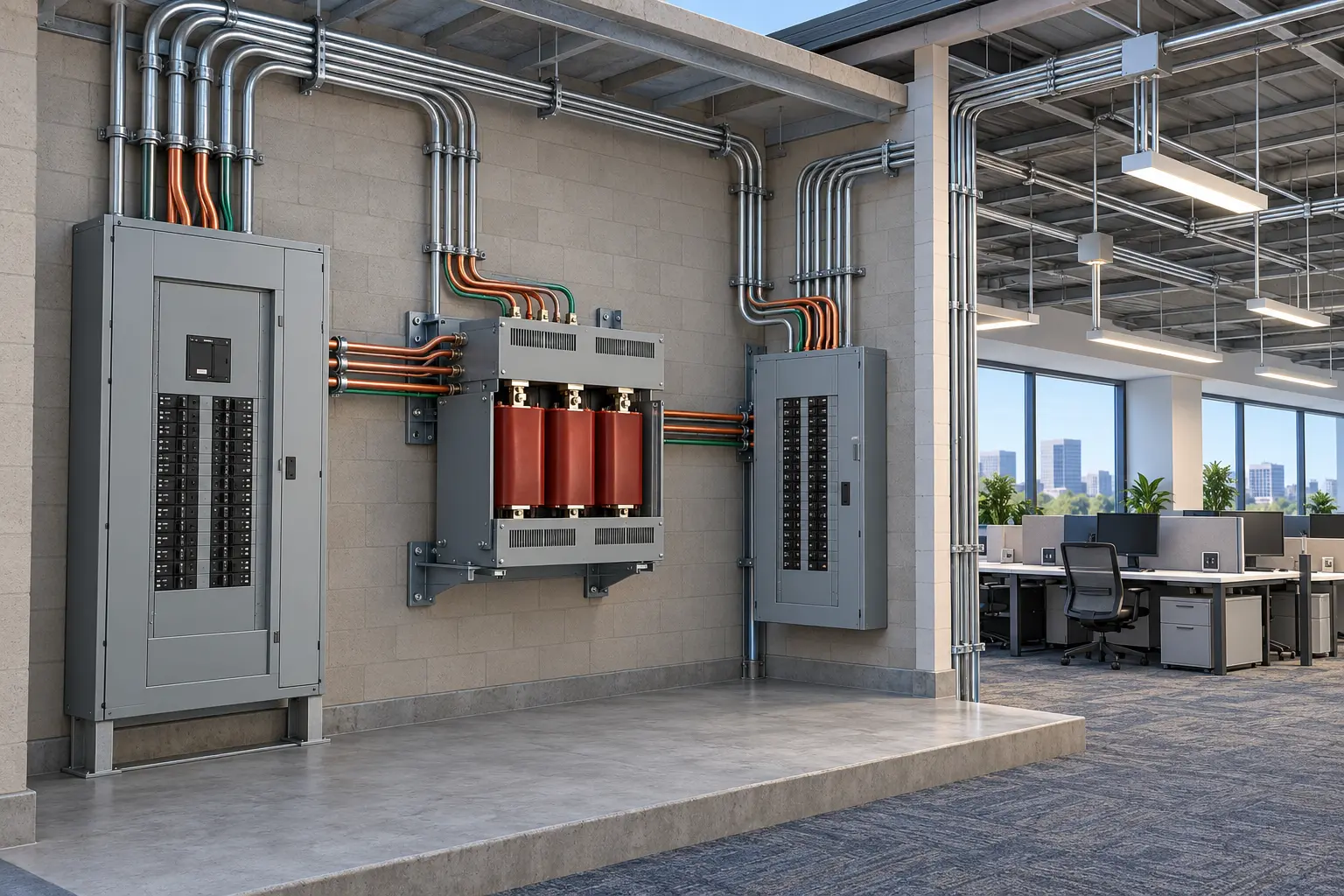
October 2026 specification
The official ranges describe the exam. The study allocation below is a starting recommendation from ReasonSpan™ and adapts after the baseline. These percentages allocate study time, not exam questions. Electrical receives additional calculation practice in this starting plan; use your baseline to increase Mechanical or any other area that needs more work.
23-35 questions in the official specification
5 focused modules · 13 baseline items25-38 questions in the official specification
6 focused modules · 15 baseline items15-23 questions in the official specification
4 focused modules · 8 baseline items7-11 questions in the official specification
3 focused modules · 4 baseline itemsSee the method before enrolling
Try two original questions from each domain, including a multiple-response item and a reference-selection exercise. Every option receives a full explanation.
Free PE Architectural preparation guides
Use the official exam profile, your available runway, and evidence from practice to choose the next useful study action.
Review the 85-question structure, four domains, supplied references, and preparation implications.
Read the exam overviewAllocate time from baseline evidence instead of dividing every domain equally.
Read the study-plan guidePractice selecting, searching, and validating the handbook and supplied standards.
Read the reference guideWork four original questions with diagrams and explanations, then plan how to review a full-length practice exam.
Work four practice questionsFrom evidence to improvement
Use the baseline to identify the decisions costing you points, then move directly into focused lessons, reference practice, and a concrete recommendation for the next study block.
Review course accessMeasure accuracy by domain and record confidence before seeing explanations.
Use the 18-module map to target the exact decision that failed.
Practice the handbook and code path alongside the engineering method.
Return to unseen mixed work after focused review rather than repeating memorized items.
Included study tools
Each tool has a distinct learning job and connects performance evidence to the next useful action while keeping the official handbook and standards visible.
A 40-question original baseline records early accuracy and confidence signals across all four domains before explanations are shown.
All 18 modules include decision rules, governing relationships, a worked example, common errors, and reference paths.
Ten balanced retrieval sets build fast recognition across the four domains, with option-by-option feedback and a spaced due queue.
A separate 144-question bank builds sets of up to 12 unseen questions by domain, module, or mixed coverage. Twelve additional drills cover multiple response, numeric entry, and matching.
Plan which reference and governing relationship to use with focused selection drills. These are not searches within an embedded handbook.
Two 85-question forms include single-answer, multiple-response, numeric-entry, and matching items, plus timed sections, a scheduled break, flags, and worked review.
The dashboard combines baseline, lesson, application, and mock evidence into next-action recommendations, not a pass prediction.
Answers, ratings, flags, timers, and completion data sync to the candidate account so work can resume across study sessions.
Reference discipline
The governing hierarchy is the October 2026 specification, PE Architectural Engineering Reference Handbook v2.1, and the exact editions of the listed codes and standards. Textbooks support explanation; they do not override the supplied exam references.
ReasonSpan™ does not distribute the NCEES handbook or third-party standards. Questions, diagrams, and explanations are original and are written to teach the engineering decision rather than reproduce protected exam material.
Four-step walkthrough
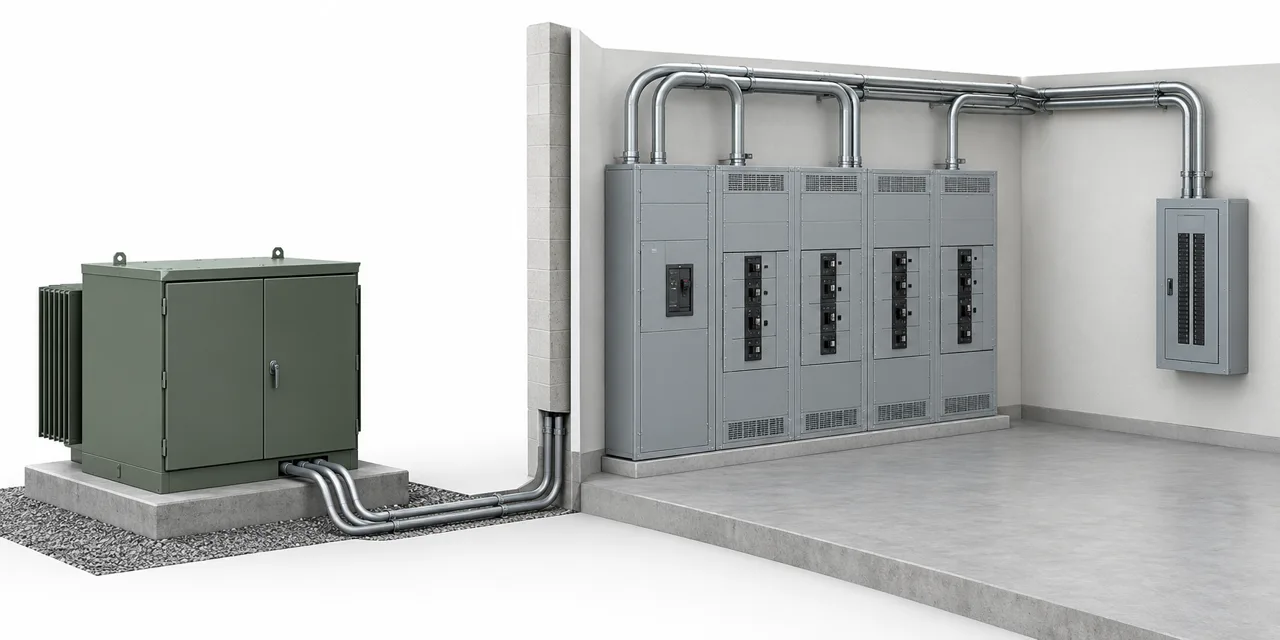 01 · Diagnose
Answer 40 original questions, record confidence, and receive a domain-level report after submission.
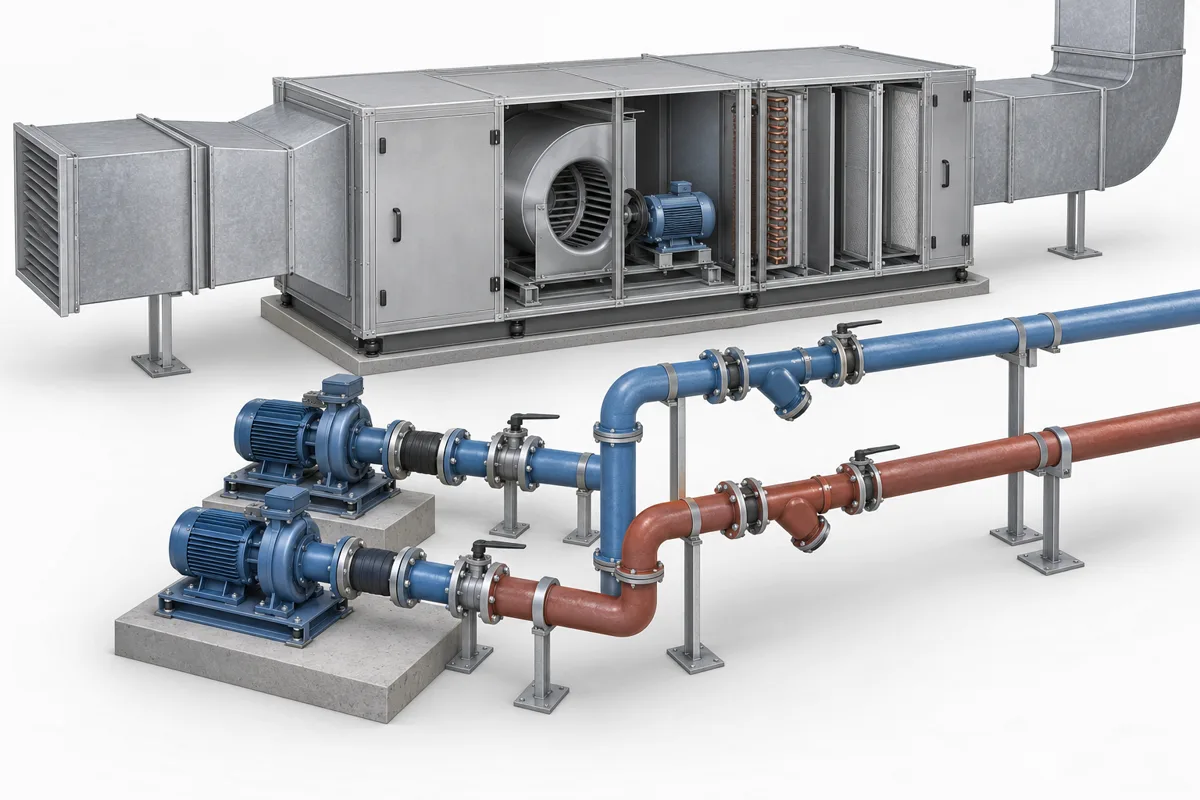 02 · Rebuild
Study decision rules, equations, numbered worked examples, error paths, and reference routes.
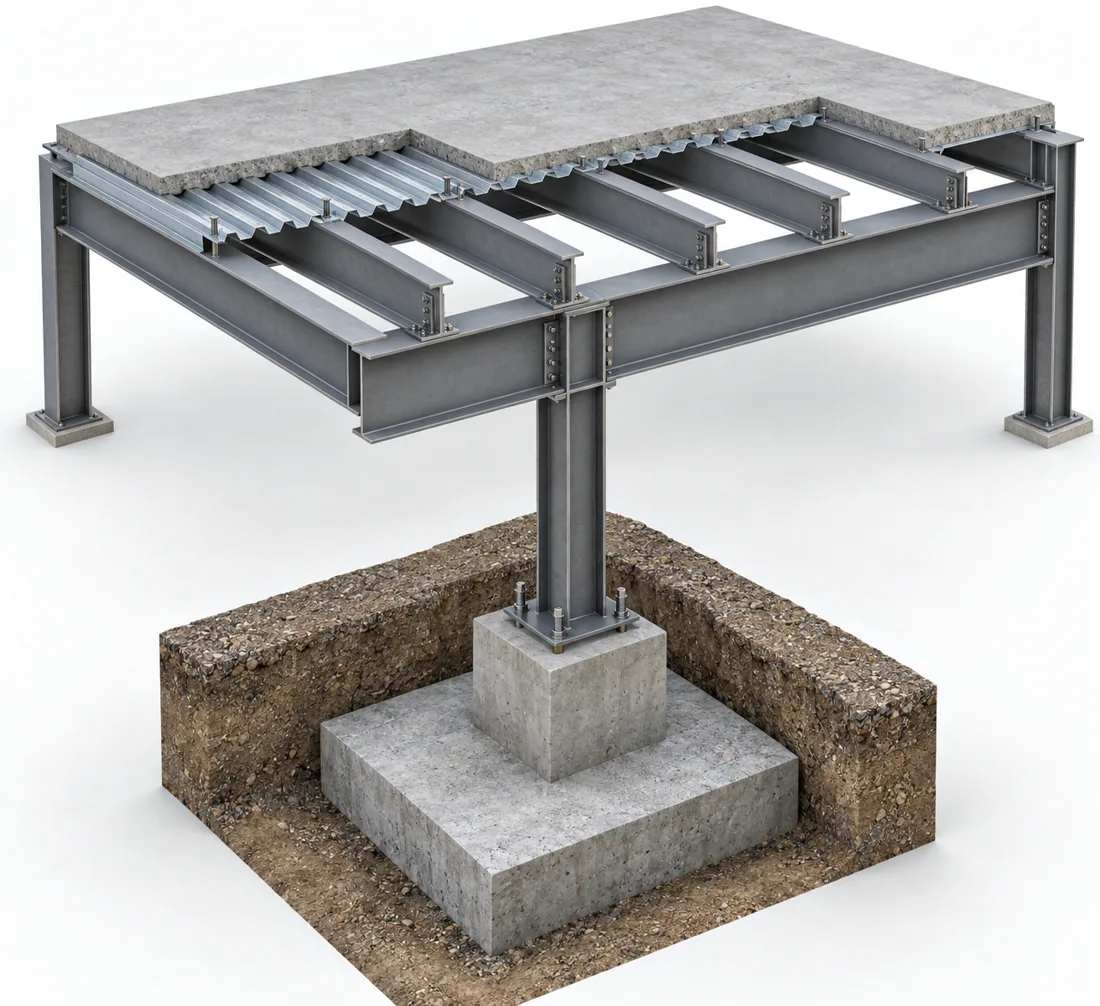 03 · Retrieve
Practice concise recognition with balanced options and a reason each distractor falls short.
 04 · Verify
Move into unused applied questions and two timed mock forms with post-submit review. Installation image: illustrative study; selected mock items use their own diagrams.
Program Q&A
PE Architectural Engineering preparation across electrical, mechanical, structural and project administration decisions. It includes a 40-question baseline, 18 modules, 130 Decision Cards, 144 applied problems, reference drills and two separate 85-question mock exams.
90 days of access from purchase. The current price is $129 as a one-time payment, with no automatic renewal. Review the cohort dates before buying, especially if your exam falls in a later year.
No. PE Architectural Engineering is an NCEES engineering examination. The Architect Registration Examination is administered by NCARB. Choose the program for the examination you plan to take.
Use the baseline to identify which systems, calculations or reference decisions need attention. Study the relevant modules, apply the method in new problems and use the two mock forms to rehearse sustained timing.
No. ReasonSpan™ is independent, and its questions, figures and explanations are independently authored. Consult NCEES for official requirements and examination references.
Eight free original questions and a complete worked lesson let you inspect the reasoning and teaching approach without an account or payment.
Questions about payment, sign-in or support? Read the general Q&A.
Available now
Paid enrollment unlocks the diagnostic, 18 theory modules, 130 Decision Cards, 144 applied-practice questions, 12 alternative item drills, and two full-length mock exams. Your access lasts 90 days from purchase, with no subscription or automatic renewal.